


I recently got a new car, for the first time in my life. I won’t tell you which, because I’ll be cancelled. But it felt like a spaceship compared to my second-hand 2017 Toyota Aygo: a car whose design was frozen in 2013, that was manufactured in 2016, and purchased by me in 2019.
Inconveniences I took as a fact of life, like manually connecting my phone via Bluetooth each time, evaporated. Incredibly, I no longer even have to pause and unpause my music, over and over, to get the audio session to transfer over to the car speaker.
But Bluetooth is sooo 1997. Literally. Or, arguably, perhaps it’s sooo 958.
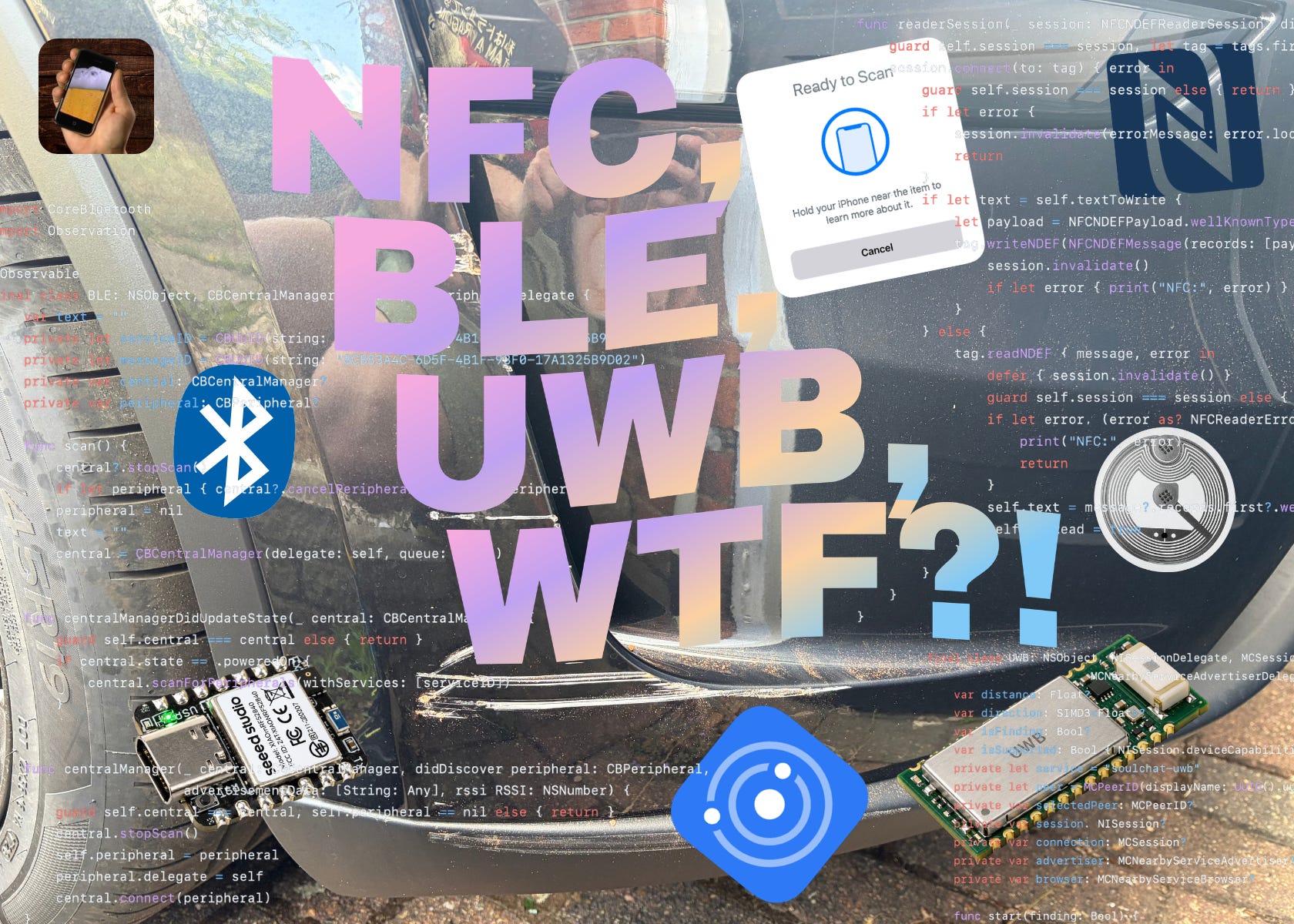
This is no longer the only game in town when it comes to getting hardware to chat to each other. My shiny new car (that I totally did not scratch on day 2 of owning it, please don’t look at the thumbnail too closely) actually uses a wide range of modern wireless communication tech, such as:
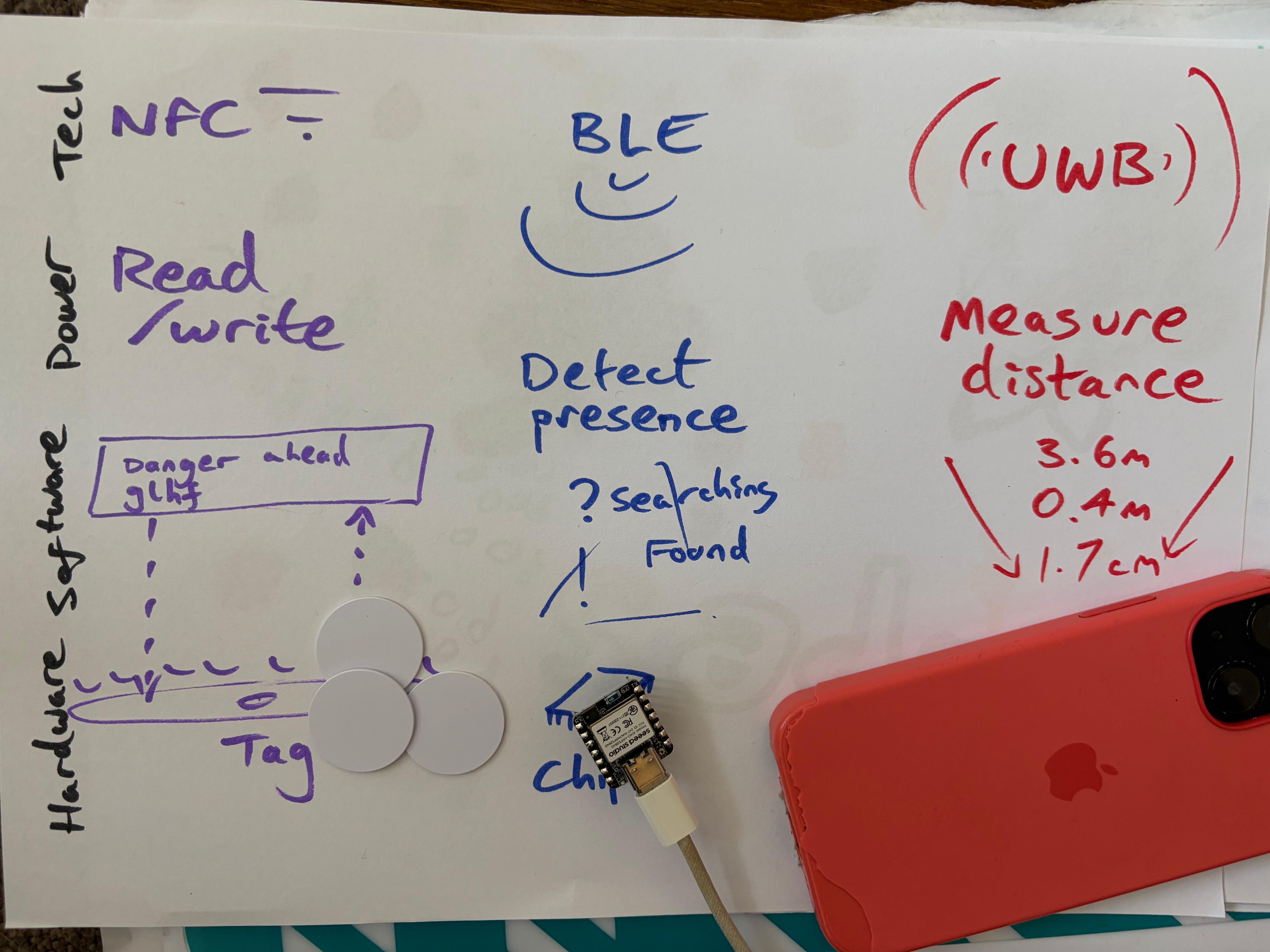
NFC (near-field communication)
BLE (bluetooth low energy)
UWB (ultra-wideband)
Some of these are protocols, some are specific radio standards, some require custom physical hardware work. But each 3-letter initialism is essentially a marketing term for an umbrella of wireless technologies that work at different layers.
Ok. So. Today…
I’ll demystify (I miss when we were still allowed to say that) these technologies so you get the gist of how they work.
With some nifty hardware I procured, I’ll give you a live demo to show what these technologies are useful for.
I’ll show real, working code that allows you to interact with these technologies in your apps today.
Sponsored Link
Let agents pick up mobile issues proactively
Your agents are getting good at fixing things, but humans still have to monitor, review, and assign issues first. Triage by Runway pulls every mobile issue into one inbox: test results, beta feedback, reviews, crashes, and more. Then auto-assign, or let agents connect via MCP to pick up fixes. Read more here.
Once we’ve mastered short-range wireless communication technology, I’m going to put all these pieces of hardware together to implement the player-to-player communication system from Dark Souls and Elden Ring… in real life.
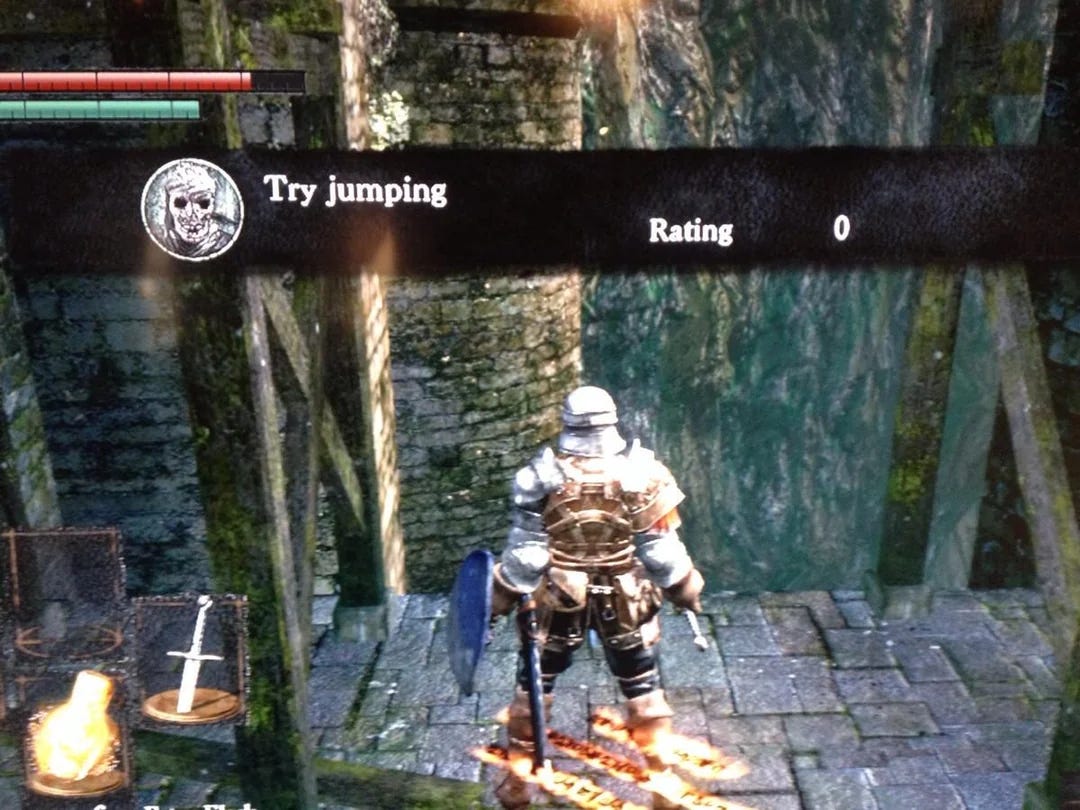
This involves writing hidden messages on the ground that users can search for, unveil, and read to get a handy tip (or perhaps a not-so-handy one). Users can then leave their own messages for the next players!
Contents
NFC
Implementing NFC in your app
BLE
Implementing BLE in your app
UWB
Implementing UWB in your app
Putting it all together
Last Orders
NFC
NFC, or near-field communication, is a family of short-range wireless standards that operate at 13.56MHz radio frequencies. It’s a specific branch of radio frequency identification, or RFID. You use it every day you pay with contactless, Apple Pay, or even download an App Clip!
NFC is very useful for reading and writing low-bandwidth information at centimetre-scale, i.e. deliberate, range.
But NFC doesn’t just use the device radio. And it works even if one partner is un-powered. It does something genius, using Faraday’s law of induction:
Get it?
Right, for those that don’t have their second-year electromagnetism course fresh in their mind, this law basically shows that you can generate an electric current, at a distance, by moving a magnetic field through a coil. It’s only how the global power grid works.
In an NFC interaction, the powered reader/writer produces a changing magnetic field that produces a voltage across a wire coil in the passive NFC tag. This drives a current and powers the chip, allowing it to accept a signal and read/write data.
This magnetic field, as well as oscillating at the 13.56MHz NFC frequency, also encodes information in its amplitude, so powering and writing happen simultaneously!

Now let’s take a look at how to implement NFC in your own apps using CoreNFC.
This article is exclusive to paid members. Paid members learn how to implement CoreNFC, as well as Core Bluetooth (BLE) and Nearby Interaction (UWB).
You also get:
⚓️ Access my full library of 50 paywalled articles (including this one)
🚀 Read free articles a month before anyone else
🧵 Master concurrency with my full course and advanced training
🧑🚀 Get a free copy of my new eBook, “Land your iOS Tech Job”
❤️🩹 Support independent, sometimes funny, tech writing
Redeem your 2-week free trial today:
If you don’t fancy it, here’s a free article that sort of hits the same notes:

